The Deep Learning Approach to Improve Learning Interest in Cultural Heritage Material at Private Elementary School

https://doi.org/10.51574/ijrer.v5i2.4527
Keywords:
Cultural Heritage, Deep Learning, Elementary School, Learning Interest, 21st Century SkillsAbstract
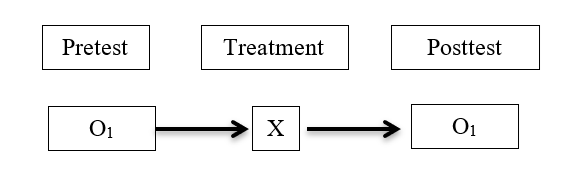
Learning about cultural heritage in elementary schools is often less popular due to the presentation being theoretical and less relevant to the students' life context. This study aims to test the effectiveness of the deep learning approach in increasing the learning interest of fifth-grade students at Fena Fafan Private Elementary School 12 in this material. Using a quantitative method with a pre-experimental design (one-group pretest-posttest), this study involved 19 students as a sample. Data were analyzed statistically using a paired t-test and the N-Gain test. The results showed that the deep learning approach significantly increased students' interest and learning outcomes. This was evidenced by the results of the hypothesis test, which showed a significant difference between the pretest and posttest scores (p = 0.000), as well as the N-Gain score of 0.74, which was included in the High category. The implementation of the principles of mindfulness, meaningful, and joyful learning successfully shifted the learning paradigm to be student-centered and created an interactive classroom atmosphere. In addition to increasing motivation and enthusiasm, this approach proved effective in developing 21st-century skills (4Cs) by contextual media and the involvement of local partners. This research provides practical contributions for educators in adopting alternative strategies that can transform theoretical material into in-depth and enjoyable learning experiences.
References
Akhyar, D. Al. (2024). Membentuk Karakter Peserta Didik dengan Pendekatan Deep Learning. Jurnal Ilmiah Pendidikan Agama Islam ISSN, 3(2), 173–179.
Alom, Z., Taha, T. M., Yakopcic, C., Westberg, S., Sidike, P., Nasrin, M. S., Hasan, M., Essen, B. C. Van, Awwal, A. A. S., & Asari, V. K. (2019). A State-of-the-Art Survey on Deep Learning Theory and Architectures. Jurnal Electronics, 8(292). https://doi.org/10.3390/electronics8030292
Amalia, S., Ginting, F. B., Amanda, M. D., & Mahdi, M. H. (2025). Pengaruh Pembelajaran Deep Learning Terhadap Motivasi Belajar Siswa Kelas 1 SDS Muhammadiyah 01 Binjai. JUMI: Jurnal Multidisiplin Ilmu, 1(1), 103–113.
Arif, M. N., Parawansyah, M. I., Huda, F. H., & Zulfahmi, M. N. (2025). Strategies to Develop Students’ Learning Interest Through a Deep Learning Approach. Jurnal Muassis Pendidikan Dasar, 4(1), 8–16. https://doi.org/10.55732/jmpd.v4i1.989
Asamoah, M. K., Ansong, J. D., Mackin, E., Agyekum, B., & Eshun, S. N. (2025). The influence of quality assurance on achieving development education goals. Discover Education, 4(1), 468. https://doi.org/10.1007/s44217-025-00694-1
Atmojo, I. R. W. (2025). Pelatihan Implementasi Pendekatan Pembelajaran Deep Learning untuk Meningkatkan Kompetensi Pedagogik Guru SD di Kota Surakarta. Jurnal Pengabdian UNDIKMA, 6(1), 123–131. https://doi.org/10.33394/jpu.v6i1.14507
Biggs, J., Tang, C., & Kennedy, G. (2022). Teaching for quality learning at university 5e. McGraw-hill education (UK).
Cui, G., Zhou, J., Zhang, H., Hong, T., & Hu, Y. (2024). The influence of study interest, perceived autonomy support, and student enthusiasm on class-related boredom of English majors. Sage Open, 14(1), 21582440241228915. https://doi.org/10.1177/21582440241228915
Darlis, A., Sinaga, A. I., Perkasyah, M. F., Sersanawawi, L., & Rahmah, I. (2022). Pendidikan Berbasis Merdeka Belajar. Analitica Islamica: Jurnal Ilmu-Ilmu Keislaman, 11(2), 393–401. http://dx.doi.org/10.30829/jai.v11i2.14101
Farid, I. (2022). Strategi Pembelajaran Diferensiasi Dalam Memenuhi Kebutuhan Belajar Peserta Didik di Sekolah Dasar. Jurnal Pendidikan Dan Konseling, 4, 1707–1715.
Fatmawaty. (2024). Deep Learning : Sebuah Pendekatan untuk Pembelajaran Bermakna. Harmoni Pendidikan: Jurnal Ilmu Pendidikan, 1(1). https://doi.org/10.62383/hardik.v1i1.2121
Fitriani, A., & Santiani. (2025). Analisis Literatur: Pendekatan Pembelajaran Deep Learning Dalam Pendidikan. Kampus Akademik Publising Jurnal Ilmiah Nusantara (JINU), 2(3), 50–57. https://doi.org/10.61722/jinu.v2i3.4357
Gabaldón-Estevan, D. (2020). Heterogeneity versus homogeneity in schools: a study of the educational value of classroom interaction. Education Sciences, 10(11), 335. https://doi.org/10.3390/educsci10110335
Hajebi, E., & Bälter, O. (2024). Multi-dimension framework for global education system. Available at SSRN 4974534. https://papers.ssrn.com/sol3/papers.cfm?abstract_id=4974534
Hakim, A. N., & Yulia, L. (2024). Dampak teknologi digital terhadap pendidikan saat ini. Jurnal Pendidikan Sosial Dan Humaniora, 3(1), 145-163. https://publisherqu.com/index.php/pediaqu/article/view/800
Hargreaves, E., Quick, L., & Buchanan, D. (2025). ‘This is too boring’: a life-history approach to primary pupils’ distress and lack of motivation for school-work. Pastoral Care in Education, 1-19. https://doi.org/10.1080/02643944.2025.2454650
Junaedi, I. (2019). Proses pembelajaran yang efektif. Journal of Information System, Applied, Management, Accounting and Research, 3(2), 19-25. https://www.journal.stmikjayakarta.ac.id/index.php/jisamar/article/view/86
Kamaruddin, K., & Saqjuddin, S. (2025). Deep Learning as a Transformative Approach to Social Studies Education. International Journal of Management and Education in Human Development, 5(01), 1478-1483. https://ijmehd.com/index.php/ijmehd/article/view/308
Kangas, M., Siklander, P., Randolph, J., & Ruokamo, H. (2017). Teachers' engagement and students' satisfaction with a playful learning environment. Teaching and Teacher Education, 63, 274-284. https://doi.org/10.1016/j.tate.2016.12.018
Karatsiori, M. (2023). In the pursuit of “Quality Education”: From ancient times to the digital era, can there be a consensus?. Cogent Education, 10(2), 2286817. https://doi.org/10.1080/2331186X.2023.2286817
Mahardhika, I. E. P., Prayitno, H. J., Indri, I., & Fitriyan, M. R. (2025). Visual and Contextual Learning for Deep Learning Education: A Unified Tool for Theory–Practice Integration. Journal of Deep Learning, 69-80. https://doi.org/10.23917/jdl.v1i1.11556
Maulidya, D., Nur, D., Eka, A., Umamy, N. A., & Syukri, M. (2025). Analisis Literatur Peran Deep Learning dalam Mendorong Pembelajaran Bermakna di Sekolah Dasar. Jurnal Pengabdian Masyarakat Dan Riset Pendidikan, 4(2), 9072–9084. https://doi.org/10.31004/jerkin.v4i2.3330
Mulyani, M., Widaningsih, S., Wiyati, R., Novianti, A., & Darmana, F. (2025). Sosialisasi Proses Implementasi Deep Learning dalam Pembelajaran Bahasa : Mewujudkan Pengalaman belajar yang. KOMUNITA:Jurnal Pengabdian Dan Pemberdayaan Masyarakat, 4(3), 699–708. https://doi.org/10.60004/komunita.v4i3.246
Neliwati, N., Siregar, F. T., Siregar, A. A., & Batubara, H. (2023). Upaya Guru Pendidikan Agama Islam Dalam Meningkatkan Minat Belajar Siswa Madrasah Tsanawiyah. Munaddhomah: Jurnal Manajemen Pendidikan Islam, 4(2), 297–306. https://doi.org/10.31538/munaddhomah.v4i2.351
Rahmasari, D. (2023). Strategi Mengajar Guru Dalam Meningkatkan Minat Belajar Siswa. Jurnal Citra Pendidikan (JCP), 3(2), 1075–1079. https://doi.org/10.38048/jcp.v3i3.1831
Renninger, K. A., & Hidi, S. E. (2022). Interest development, self-related information processing, and practice. Theory into practice, 61(1), 23-34. https://doi.org/10.1080/00405841.2021.1932159
Safitri, G., Sumariana, Wahyuni, & Nurhasanah. (2025). Strategi Pembelajaran Deep Learning. Prosiding Seminar Nasional Fakultas Tarbiyah Dan Ilmu Keguruan IAIM Sinjai, 4, 28–35.
Sayed, Y., & Ahmed, R. (2015). Education quality, and teaching and learning in the post-2015 education agenda. International Journal of Educational Development, 40, 330-338. https://doi.org/10.1016/j.ijedudev.2014.11.005
Setiawan, A., Nugroho, W., & Widyaningtyas, D. (2022). Pengaruh Minat Belajar Terhadap Hasil Belajar Siswa Kelas Vi Sdn 1 Gamping. TANGGAP : Jurnal Riset Dan Inovasi Pendidikan Dasar, 2(2), 92–109. https://doi.org/10.55933/tjripd.v2i2.373
Sihab, W., & Achmad, M. (2025). Relevansi pemikiran pendidikan Ki Hajar Dewantara dalam konteks sistem pendidikan nasional di Indonesia. Jurnal Kajian Penelitian Pendidikan Dan Kebudayaan, 3(1), 237-249. https://doi.org/10.59031/jkppk.v3i1.559
Sihombing, J. S., Purnawan, P. E., Sababalat, K. Z., & Tafonao, T. (2024). Analisis Faktor Faktor yang Mempengaruhi Minat Belajar Mahasiswa. Jurnal Ilmiah Multidisiplin, 1(2), 106–118. https://doi.org/10.62282/juilmu.v1i2.106-118
Tohani, E., & Aulia, I. (2022). Effects of 21st century learning on the development of critical thinking, creativity, communication, and collaboration skills. Journal of Nonformal Education, 8(1), 46-53. https://journal.unnes.ac.id/nju/jone/article/view/33334
Warman, E., Setiawan, R., Gifary, A., Warta, W., Mulyanto, A., & Hanafiah. (2025). Pendekatan Deep Learning pada Pembelajaran di Sekolah Dasar Gekbrong. Jurnal Pengabdian Masyarakat Dan Riset Pendidikan, 4(1), 1521–1528. https://doi.org/10.31004/jerkin.v4i1.1773
Yetti, R. (2025). Penerapan Deep Learning Dalam Pembelajaran. Ultilise: Jurnal Manajemen Pendidikan, 1(1), 19–34. https://ejournal.staimu.ac.id/index.php/jsiem/article/view/3
Yuwanita et al., 2020. (2020). Pengaruh Metode Pembelajaran Dan Gaya Belajar Terhadap Hasil Belajar Pendidikan IPA. Jurnal Instruksional, 1(2), 152–158. https://doi.org/10.24114/jtp.v10i2.8731
Zainuddin, Z., Nafisah, A., & Muttaqin, M. (2025). Transforming character education through the implementation of the independent curriculum in Indonesia. International Journal of Education and Humanities, 5(3), 560-572. https://doi.org/10.58557/(ijeh).v5i3.346
Zuhri, A. S., Muslikhah, U., & Samino. (2025). The Deep Learning Approach in 21st Century Education. Kampus Akademik Publising Jurnal Ilmiah Nusantara (JINU), 3(5), 730–741. https://doi.org/10.61722/jipm.v3i5.1523
Downloads
Published
How to Cite
Issue
Section
License
Copyright (c) 2026 Lala Sentia Lesnussa; Ode Abdurrachman, Leonid Ritiauw

This work is licensed under a Creative Commons Attribution-ShareAlike 4.0 International License.