The ICARE Learning Model: Transforming Islamic Religious Education Learning Outcomes

https://doi.org/10.51574/ijrer.v5i2.4683
Keywords:
Analytical Skills, ICARE Model, Islamic Religious Education, Learning Outcomes, Learning TransformationAbstract
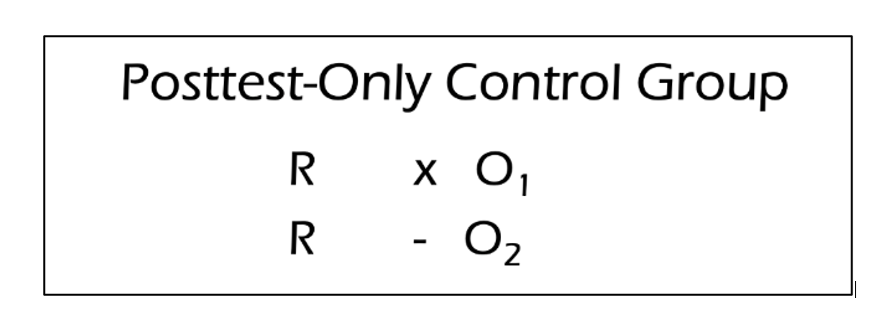
The main background of this research is the low analytical ability of students (cognitive level C4) in Islamic Religious Education at Junior High School 1 Jati Agung. Lack of activity, low learning independence, and the prevalence of conventional learning methods with minimal innovation trigger this phenomenon. This study aims to analyze the effectiveness of the ICARE (Introduction, Connection, Application, Reflection, Extension) learning model as a transformative strategy in significantly improving student learning outcomes. This study uses a quantitative approach with a post-test-only control group design. The research sample was determined through a simple random sampling technique, which was divided into a control class (VII A) and an experimental class (VII B). Data was collected through a multiple-choice test instrument specifically designed to measure the analysis indicator (C4). Data analysis techniques include normality tests, homogeneity tests, and t-tests to verify differences in average learning outcomes between groups. The research findings indicate that the implementation of the ICARE model has a significant impact on the transformation of student learning outcomes. This result is proven through statistical tests with a significant value of 0.001 (p < 0.05). ICARE syntax organizes real-life experiences with concept understanding, encouraging students to participate and think critically. This study offers Islamic Religious Education (PAI) educators’ new ways to create a dynamic and immersive learning environment. ICARE has been successful in transitioning from passive to outcome-oriented learning and accelerated cognitive development.
References
Abbasi, M., Shirazi, M., Torkmandi, H., Homayoon, S., & Abdi, M. (2023). Impact of teaching, learning, and assessment of medical law on cognitive, affective and psychomotor skills of medical students: a systematic review. BMC Medical Education, 23(1), 703. https://doi.org/10.1186/s12909-023-04695-2 DOI: https://doi.org/10.1186/s12909-023-04695-2
Adi, P., & Habsari, Z. (2020). ICARE model design profile for developing critical-creative thinking competency in reading literacy learning. 1st International Conference on Information Technology and Education (ICITE 2020) (pp. 357-363). Atlantis Press. https://doi.org/10.2991/assehr.k.201214.261 DOI: https://doi.org/10.2991/assehr.k.201214.261
Adisel, A., Aprilia, Z. U., Putra, R., & Prastiyo, T. (2022). Komponen-komponen pembelajaran dalam kurikulum 2013 pada mata pelajaran IPS. Journal of Education and Instruction (JOEAI), 5(1), 298-304. https://doi.org/10.31539/joeai.v5i1.3646 DOI: https://doi.org/10.31539/joeai.v5i1.3646
Aldeeb, F. H., Sallabi, O. M., Elaish, M. M., & Hwang, G. J. (2024). Enhancing students' learning achievements, self‐efficacy, and motivation using mobile augmented reality. Journal of Computer Assisted Learning, 40(4), 1823-1837. https://doi.org/10.1111/jcal.12989 DOI: https://doi.org/10.1111/jcal.12989
Arlim, M., & Fauzi, A. (2025). Validity and Practicality of the Physics E-Module on Integrated Thermodynamics Material on Volcanic Eruptions Based on the ICARE Model to Improve Students' Creative Thinking Skills. Jurnal Penelitian Pendidikan IPA, 11(12), 521-527. https://doi.org/10.29303/jppipa.v11i12.13332 DOI: https://doi.org/10.29303/jppipa.v11i12.13332
Asmara, A., Husna, H., & Yanti, I. R. (2025). The Effect of the Implementation of the ICARE Learning Model on the Physics Learning Outcomes of Students of Class XII IPA. JagoMIPA: Jurnal Pendidikan Matematika dan IPA, 5(2), 338-348. DOI: https://doi.org/10.53299/jagomipa.v5i2.1470
Barus, C. S. A., Siahaan, P., Suhendi, E., & Samsudin, A. (2024). How is the improvement of critical thinking skills and student collaboration using the ICARE Model on momentum and Implus Topic?. Proceedings of the 9th Mathematics, Science, and Computer Science Education International Seminar (MSCEIS 2023) (p. 4). Springer Nature. DOI: https://doi.org/10.2991/978-2-38476-283-5_2
Caena, F., & Redecker, C. (2019). Aligning teacher competence frameworks to 21st century challenges: The case for the European Digital Competence Framework for Educators (Digcompedu). European journal of education, 54(3), 356-369. https://doi.org/10.1111/ejed.12345 DOI: https://doi.org/10.1111/ejed.12345
Efendi, I., Rokhman, F., Rustono, R., & Pristiwati, R. (2023). Implementing ICARE training model to enhance Indonesian students’ emceeing skills: Its process and impact. Indonesian Journal of Applied Linguistics, 12(3), 654-664. https://doi.org/10.17509/ijal.v12i3.48660 DOI: https://doi.org/10.17509/ijal.v12i3.48660
Firestone, W. A., & Donaldson, M. L. (2019). Teacher evaluation as data use: what recent research suggests. Educational Assessment, Evaluation and Accountability, 31(3), 289-314. https://doi.org/10.1007/s11092-019-09300-z DOI: https://doi.org/10.1007/s11092-019-09300-z
Fitrah, M., Sofroniou, A., Setiawan, C., Widihastuti, W., Yarmanetti, N., Jaya, M. P. S., ... & Susianti, I. (2025). The impact of integrated project-based learning and flipped classroom on students’ computational thinking skills: Embedded mixed methods. Education Sciences, 15(4), 448. https://doi.org/10.3390/educsci15040448 DOI: https://doi.org/10.3390/educsci15040448
Hartono, H., Ningsi, N., & Hina, S. (2025). Developing interactive learning media to enhance elementary school students’ learning motivation. EDUCARE Journal of Primary Education, 6(1), 81-96. https://doi.org/10.35719/educare.v6i1.291 DOI: https://doi.org/10.35719/educare.v6i1.291
Hasni, H., Nurmi, N., & Adiansyah, R. (2025). Efektivitas Model Pembelajaran Icare (Introduction, Conection, Application, Refllectio, Extention) Dalam Meningkatkan Keterampilan Berpikir Kreatif Siswa Kelas F SMAN 26 Bone:(The Effectiveness Of The Icare Learning Model (Introduction, Connection, Application, Reflection, Extention) In Improving Creative Thinking Skills In Class F Students Of Sman 26 Bone). BIODIK, 11(1), 280-293. https://doi.org/10.22437/biodik.v11i1.38642 DOI: https://doi.org/10.22437/biodik.v11i1.38642
Kartal, O. Y., Yazgan, A. D., Temelli, D., & Yavuz Kartal, M. (2024). The impact of epistemological beliefs and school climate on the sustainability of critical thinking dispositions in middle school students. Sustainability, 16(20), 8786. https://doi.org/10.3390/su16208786 DOI: https://doi.org/10.3390/su16208786
Kim, M. S. (2019). Developing a competency taxonomy for teacher design knowledge in technology-enhanced learning environments: a literature review. Research and Practice in Technology Enhanced Learning, 14(1), 18. https://doi.org/10.1186/s41039-019-0113-4 DOI: https://doi.org/10.1186/s41039-019-0113-4
Latifah, S., Diani, R., & Malik, S. L. M. (2022). Icare model (introduction, connection, application, reflection, extension) in physics learning: analysis of its effect on students’ computational thinking skills based on gender. Jurnal Penelitian & Pengembangan Pendidikan Fisika, 8(2), 229-240. https://doi.org/10.21009/1.08205 DOI: https://doi.org/10.21009/1.08205
Lavrijsen, J., Dockx, J., Struyf, E., & Verschueren, K. (2022). Class composition, student achievement, and the role of the learning environment. Journal of Educational Psychology, 114(3), 498. https://psycnet.apa.org/doi/10.1037/edu0000709 DOI: https://doi.org/10.1037/edu0000709
Le, H., Janssen, J., & Wubbels, T. (2018). Collaborative learning practices: teacher and student perceived obstacles to effective student collaboration. Cambridge Journal of education, 48(1), 103-122. https://doi.org/10.1080/0305764X.2016.1259389 DOI: https://doi.org/10.1080/0305764X.2016.1259389
Manopo, D. D. D., & Gugule, S. (2022). Pengaruh model pembelajaran ICARE terhadap hasil belajar kimia siswa pada materi hidrokarbon kelas XI mia di sma negeri 1 Tombatu. https://doi.org/10.37033/ojce.v4i2.504
Mejía‐Rodríguez, A. M., & Kyriakides, L. (2022). What matters for student learning outcomes? A systematic review of studies exploring system‐level factors of educational effectiveness. Review of Education, 10(3), e3374. https://doi.org/10.1002/rev3.3374 DOI: https://doi.org/10.1002/rev3.3374
Mendoza, W., Ramírez, G. M., González, C., & Moreira, F. (2022). Assessment of curriculum design by learning outcomes (LO). Education Sciences, 12(8), 541. https://doi.org/10.3390/educsci12080541 DOI: https://doi.org/10.3390/educsci12080541
Munazad, L., Hafizah, E., & Sauqina, S. (2023). Pengembangan Modul Pembelajaran IPA Berbasis ICARE untuk Memfasilitasi Keterampilan Kolaborasi Siswa SMP/MTs. Journal On Teacher Education (JOTE), 5(1), 19-28.
Mutia, N., Sismia, T. N. Z., Ramadhani, K. R., & Suryapuspita, A. (2025). Perbandingan Motivasi Belajar Siswa Melalui Metode Ceramah dan Digital. Jurnal Pendidikan dan Pembelajaran, 4(02). https://ojs.smkmerahputih.com/index.php/juperan/article/view/1800
Nahuda, N. (2024). Islamic religious education in higher education implementation of science and social change. Edukasi Islami: Jurnal Pendidikan Islam, 13(04), 653-664. https://doi.org/10.30868/ei.v13i04.7015
Ningsih, S. A. (2024). Pentingnya Profesionalisme Guru dalam Meningkatkan Kualitas Pendidikan. Jurnal Pendidikan Dan Ilmu Sosial (Jupendis), 2(3), 288-293. https://doi.org/10.54066/jupendis.v2i3.2056 DOI: https://doi.org/10.54066/jupendis.v2i3.2056
Pal, D., Taywade, M., & Alekhya, G. (2022). Designing a comprehensive lesson plan: A crucial aspect in improving the teaching-learning process. Current Medical Issues, 20(1), 48-51. https://doi.org/10.4103/cmi.cmi_83_21 DOI: https://doi.org/10.4103/cmi.cmi_83_21
Qiu, G. (2025). On the Relationship Between Students' Perceived Support, Students' Self‐Efficacy, and Affect‐Emotions in AI‐Enhanced Learning Environments. European Journal of Education, 60(3), e70180. https://doi.org/10.1111/ejed.70180 DOI: https://doi.org/10.1111/ejed.70180
Quadir, B., Yang, J. C., & Chen, N. S. (2022). The effects of interaction types on learning outcomes in a blog-based interactive learning environment. Interactive Learning Environments, 30(2), 293-306. https://doi.org/10.1080/10494820.2019.1652835 DOI: https://doi.org/10.1080/10494820.2019.1652835
Ranadhana, A. (2020). Studi Literatur Pada Model Pembelajaran ICARE Terhadap Keterampilam Berpikir Kreatif Peserta Didik Pada Materi Momentum&Impuls. Compton: Jurnal Ilmiah Pendidikan Fisika, 7(1), 27-34. https://doi.org/10.30738/cjipf.v7i1.6390 DOI: https://doi.org/10.30738/cjipf.v7i1.6390
Riani, N., Marito, W., Iskandar, L. M., Juliandry, M. A., & Berutu, L. (2026). Effectiveness of the ICARE Model Integrated with Desmos: Improving Mathematical Conceptual Understanding. JURNAL EDUSCIENCE, 13(1), 168-177. https://doi.org/10.36987/jes.v13i1.8399 DOI: https://doi.org/10.36987/jes.v13i1.8399
Saputri, M., Elisa, E., & Nurlianti, S. (2022). The Effectiveness of ICARE Learning Model in Improving Students’ Critical Thinking Skills and Collaboration Skills. Jurnal Penelitian Pendidikan IPA, 8(3), 1128-1134. https://doi.org/10.29303/jppipa.v8i3.1360 DOI: https://doi.org/10.29303/jppipa.v8i3.1360
Salirawati, D., Priyambodo, E., & Primastuti, M. (2021). The effect of introduction, connection, application, reflection, and extension (ICARE) towards students’ chemistry learning outcome. 7th International Conference on Research, Implementation, and Education of Mathematics and Sciences (ICRIEMS 2020) (pp. 179-187). Atlantis Press. https://doi.org/10.2991/assehr.k.210305.028 DOI: https://doi.org/10.2991/assehr.k.210305.028
Siahaan, P., Dewi, E., & Suhendi, E. (2020). Introduction, connection, application, reflection, and extension (ICARE) learning model: The impact on students’ collaboration and communication skills. Jurnal Ilmiah Pendidikan Fisika Al-Biruni, 9(1), 109-119. DOI: https://doi.org/10.24042/jipfalbiruni.v9i1.5547
Simamora, A. H., Agustini, K., Sudatha, I. G. W., & Suartama, I. K. (2024). Enhancing teaching materials development course with the ICARE learning model in e-learning. Journal of Education and Learning (EduLearn), 18(4), 1543-1552. https://doi.org/10.11591/edulearn.v18i4.21304 DOI: https://doi.org/10.11591/edulearn.v18i4.21304
Suminar, T., Arbarini, M., Shofwan, I., & Setyawan, N. (2021). The effectiveness of production-based learning models in the ICARE approach to entrepreneurial literacy ability. Journal of Nonformal Education, 7(2), 142-149. https://doi.org/10.15294/jne.v7i2.31700
Utami, A. M. (2022). Application of The Icare Model to Improve Problem-Solving Ability in Momentum and Impulse Materials in Class X SMA. Journal of Digital Learning and Distance Education, 1(2), 64-71. https://doi.org/10.56778/jdlde.v1i2.15 DOI: https://doi.org/10.56778/jdlde.v1i2.15
Wang, C., Chen, X., Li, Y., Wang, P., Wang, H., & Li, Y. (2025). MetaClassroom: a new paradigm and experience for programming education. Journal of Educational Computing Research, 63(4), 864-901. https://doi.org/10.1177/07356331251322470 DOI: https://doi.org/10.1177/07356331251322470
Zahrah, A., Farhillah, A. R., Ramadhan, A. F., Putri, D., & Zaki, A. A. (2025). Perbandingan Hasil Belajar antara Siswa yang Menggunakan Media Digital dan Metode Ceramah di Kelas VIII E dan VIII F SMPN 1 Telagasari. Jurnal Manajemen Dan Pendidikan Agama Islam, 3(4), 55-73. https://doi.org/10.61132/jmpai.v3i4.1176 DOI: https://doi.org/10.61132/jmpai.v3i4.1176
Zhang, Y., & Gao, J. (2022). Research on classroom teaching quality evaluation and feedback system based on big data analysis. Scientific programming, 2022(1), 7870113. https://doi.org/10.1155/2022/7870113 DOI: https://doi.org/10.1155/2022/7870113
Zeng, W., Goh, Y. X., Ponnamperuma, G., Liaw, S. Y., Lim, C. C., Chia, S. Y., & de Bruin, A. (2024). Promotion of self-regulated learning through internalization of critical thinking, assessment and reflection to empower learning (iCARE): A quasi-experimental study. Nurse Education Today, 142, 106339. https://doi.org/10.1016/j.nedt.2024.106339 DOI: https://doi.org/10.1016/j.nedt.2024.106339
Downloads
Published
How to Cite
Issue
Section
License
Copyright (c) 2026 Shabina Intan Wardani, Heru juabdin Sada, Waluyo Erry Wahyudi

This work is licensed under a Creative Commons Attribution-ShareAlike 4.0 International License.